

Wisdom teeth, or third molars, are a type of tooth that usually comes in between the ages of 17 and 25. Some people have very few difficulties with their teeth, but others have pain, swelling, or alignment problems that require extraction. To make sure you get the right care and recuperation after having your wisdom teeth removed, it’s important to know the wellhealthorganic indication of removal. This article talks about everything from the indicators that show you need to remove something to how to take care of it afterward and what could go wrong.
What Wisdom Teeth Are and How to Get Rid of Them
Wisdom teeth are the last molars to come in, and they can be painful because there isn’t much room in the mouth. Wisdom teeth that are impacted or growing at strange angles can cause pain, infections, and even harm to teeth next to them. At first, the wellhealthorganic symptom of having your wisdom teeth removed may be slight discomfort or tightness in the gums. Finding these indications early helps patients get dental care before problems get worse.
When you should normally have extraction done:
- There is a lot of pain or discomfort
- The teeth are affected.
- They can cause infections or cysts in the gums.
- They throw off the alignment of nearby teeth.
The wellhealthorganic indicator of removal wisdom teeth can help prevent more serious oral health problems by allowing for early management.
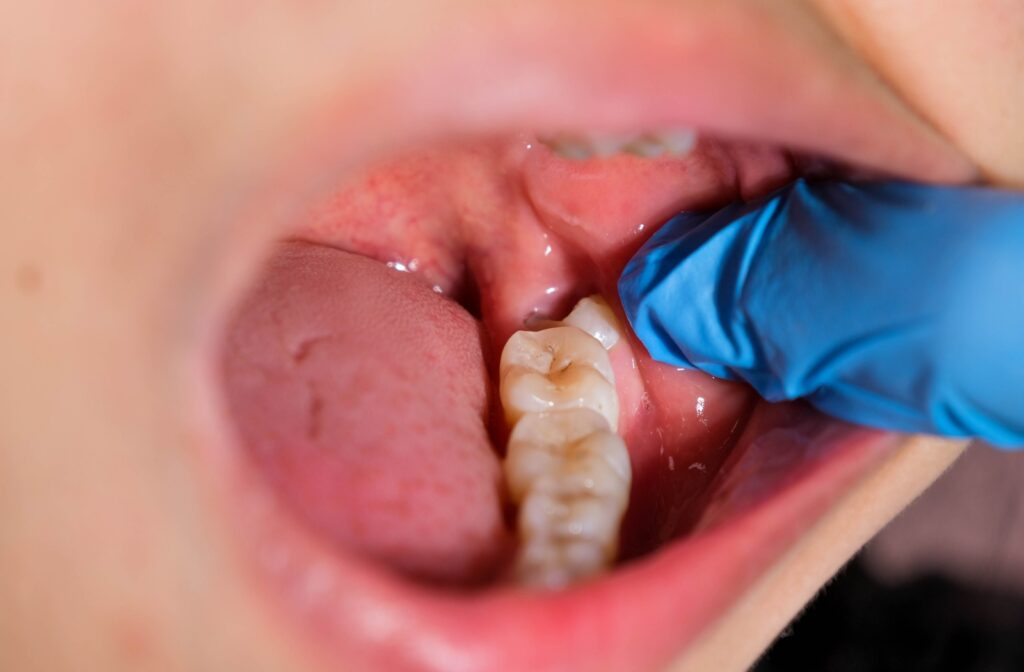
Signs That Your Wisdom Teeth Need to Be Removed
There are a few important signs that wisdom teeth might need to be taken out. These are usually the first signs that a dentist looks for:
Pain and discomfort that won’t go away
The most obvious sign is pain. It can happen in the rear of the jaw and spread to neighboring places like the temple or ear. This pain is frequently a symptom that the tooth is impacted or pushing against other teeth, which is one of the main signs that wisdom teeth need to be removed.
Gums that are swollen and sore
If your gums are red, swollen, or painful near where your wisdom teeth are coming in, it could be an infection or irritation. If your mouth is swollen, it may hurt to chew or open it, which means you should see a doctor.
Trouble chewing or a stiff jaw
Wisdom teeth that come out at strange angles might make it hard for the jaw to move properly. Other signs of having your wisdom teeth removed that are not good for your health include not being able to open your mouth very wide, stiffness in your jaw, or pain when you chew.
Bad breath or a bad taste
Food and bacteria that get stuck around teeth that are just partially erupted might make your breath smell awful or taste bad. A persistent bad smell in the mouth could mean that the teeth are not healthy and may need to be taken out.
Cysts or infections
Impacted wisdom teeth can sometimes lead to infections or cysts, which can be seen in dental imaging. These problems are significant signs that the teeth need to be taken out, and recognizing them early is part of knowing the wellhealthorganic symptom of removal wisdom teeth.
How to Get Rid of Wisdom Teeth
Once the decision to have the operation done is made, it’s important to know what to expect and how to prepare for recovery. Depending on how complicated and where the tooth is, extraction might be easy or surgical:
- Simple Extraction: This approach is usually used on teeth that have fully erupted. It entails loosening the tooth and taking it out. Most of the time, recovery is faster and there is less swelling.
- Surgical Extraction: Teeth that are impacted or only partially erupted often need surgery. Before pulling the tooth, the dentist may cut the gum, take off bone tissue, and divide the tooth into sections. It takes longer to recover, and care after surgery is quite important.
Identifying the wellhealthorganic indicator of removal wisdom teeth before the extraction assists both patients and dentists to prepare the proper intervention technique, decreasing difficulties.
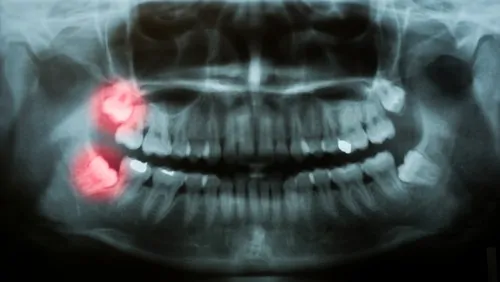
Signs and Recovery After Removal
It is normal to have some symptoms after having your wisdom teeth taken out. Knowing these indicators can help you tell the difference between a regular recovery and one that could go wrong:
- Swelling and Bruising: Mild swelling is frequent and usually reaches its peak in 48 hours.
- Bleeding: A little bit of bleeding is normal, but if it keeps happening or gets worse, you need to see a doctor right once.
- Pain Management: Over-the-counter pain relievers or prescribed painkillers can help ease the pain.
- Changes to the diet: Soft meals and enough water help the body recuperate.
It is very important to watch for any strange signs. Recognizing persistent pain, fever, or pus as odd indicators can help stop catastrophic problems from happening.
Ways to Help the Healing Process After Extraction
Taking care of yourself after an extraction can have a big impact on how quickly you heal. These ideas are in line with the concepts of holistic health, which is what wellhealthorganic symptom of removal wisdom teeth detection and management is all about:
Be careful about keeping your mouth clean.
Rinsing with warm salt water gently can help keep infections from occurring. Don’t brush directly on the extraction site for the first 24 hours.
Put on cold compresses
Cold packs help with pain and swelling. It’s normally best to use it every few hours during the first 24 hours.
Follow the dietary guidelines
Yogurt, soups, and mashed veggies are all good soft foods. Stay away from meals that are hot, spicy, or crunchy because they could aggravate the extraction site.
Take a break and stay away from hard work.
Physical exercise can make blood flow faster, which could make bleeding last longer. Resting helps you heal faster.
Keep a close eye on your symptoms.
Paying attention to ongoing discomfort, swelling, or fever can help you spot problems early, which is good for your general health. Recognizing these as part of the wellhealthorganic indicator of removal wisdom teeth strategy makes sure that medical help is given quickly.

Common Problems and How to Deal with Them
Some people still have problems after having their wisdom teeth taken out, even with the right treatment. It is very important to be aware of these risks:
- Dry Socket: A painful condition that happens when the blood clot at the extraction site comes loose.
- Infection: Signs include fever, swelling, and pus discharge.
- Nerve Injury: This is rare, however it might make you feel numb or tingle for a short time.
It is very important to deal with these problems right away by seeing your dentist. Recognizing difficulties early on is in line with the wellhealthorganic indicator of removal wisdom teeth idea, which helps the best recovery.
Ways to Help Healing That Are Whole and Natural
Many people like to use natural or organic approaches to help them heal, along with regular dental treatment. Some holistic methods are:
- Herbal Rinses: Chamomile or calendula rinses can soothe inflammation.
- A diet abundant in nutrients: Foods that are high in vitamin C, zinc, and protein help tissues heal.
- Nutrient-Rich Diet: Foods high in vitamin C, zinc, and protein support tissue repair.
Adding these methods to your recovery regimen shows that you take a whole-person approach, which is in line with the ideals of wellhealthorganic symptom of removal wisdom teeth.
When to See a Dentist
It’s just as crucial to know when to get professional help as it is to notice the first indicators. If you have any of the following, you need to see a doctor right away:
- Pain that lasts for more than a few days or is very bad
- Bleeding that won’t stop
- Fever or indications of an infection throughout the body
- Tingling or numbness that isn’t normal
The main idea behind monitoring wellhealthorganic indication of removal wisdom teeth is that early action stops problems from getting worse and helps the healing process go more smoothly.
Long-Term Oral Health After Getting Your Wisdom Teeth Taken Out
Even after having a tooth pulled, it’s important to keep your mouth clean and see the dentist regularly. Some of the benefits are:
- Stopping diseases from spreading to nearby teeth
- Lowering the chance of getting gum disease
- Making sure that the jaw is in the right place and that the bite works right
Recognizing the wellhealthorganic indicator of removal wisdom teeth and responding appropriately helps keep your mouth healthy over time.
Conclusion
It is important to know the wellhealthorganic symptom of removal wisdom teeth so that you may get help in a timely manner, get the right treatment, and have a smooth recovery. Patients can take an active role in their dental health by noticing pain and swelling early on and using holistic rehabilitation approaches. Taking care of yourself after an extraction, knowing about possible problems, and using natural methods all help make sure that the healing process goes smoothly and comfortably. Long-term oral health and overall wellness depend on seeing a dentist when needed and taking good care of your teeth at home.
People can protect their oral health and speed up their recovery by recognizing and acting on these indicators. Adding organic and holistic approaches to traditional care makes the process of getting your wisdom teeth out and recovering healthier and more educated.
Read More:- Wellhealthorganic How Fix Sleep Mistakes: Expert Tips for Better Sleep